
Jason Gray Journal
Corporate Event Entertainment Ideas Beyond a DJ
When a corporate event brief says “we need some entertainment,” it usually means someone has been handed the job with two weeks’ notice and no clear idea what “good” looks like. The default answer is almost always a DJ, because it’s the safest option nobody gets blamed for. It’s also often the wrong one.
Here’s how the main options actually compare, and when each one earns its place on the run sheet.
DJ
A DJ works when your event has a dancefloor moment planned — an awards night with a party segment at the end, or a launch where you want energy building toward a specific point. It doesn’t do much for the first 90 minutes of an event when people are standing around with a drink, trying to make conversation with people they don’t know. Music alone doesn’t give a quiet room a reason to talk.
Trivia or game shows
Good for a seated, captive audience who already know each other reasonably well — a team offsite or an all-staff function where people are comfortable being called on. Less effective for client-facing events or mixed audiences where half the room doesn’t want to be picked to answer a question in front of colleagues they’ve just met.
Photo booths
Low-risk, guests self-select whether to participate, and they generate content people actually share. The tradeoff is they don’t create any shared moment in the room itself — everyone experiences it individually, at a booth, rather than together.
Live band
Strong for full nights with a genuine party element, but expensive relative to the amount of the night it actually fills, and like a DJ, doesn’t solve the “quiet room, strangers, drinks in hand” problem that dominates the first part of most corporate events.
Close-up magic
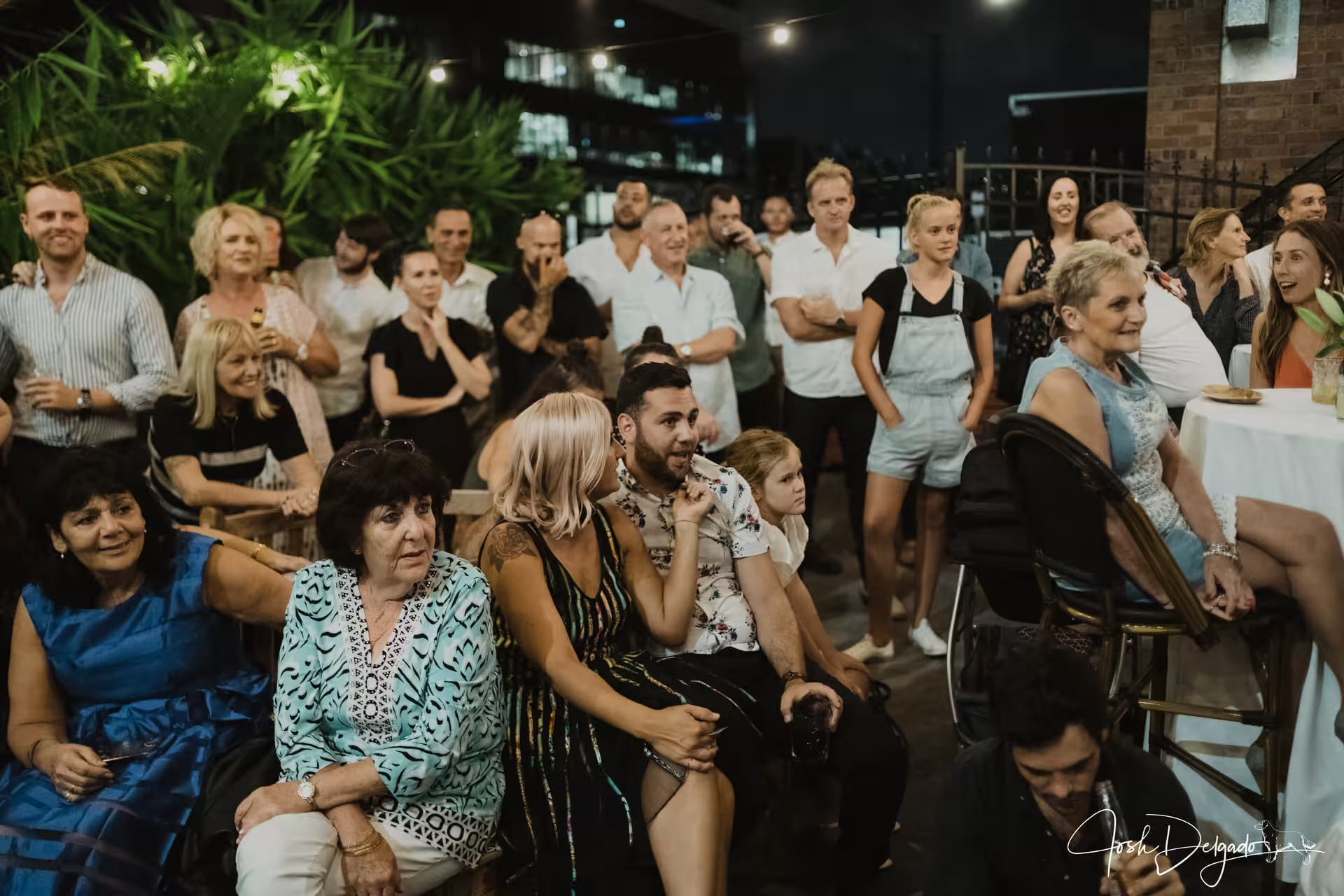
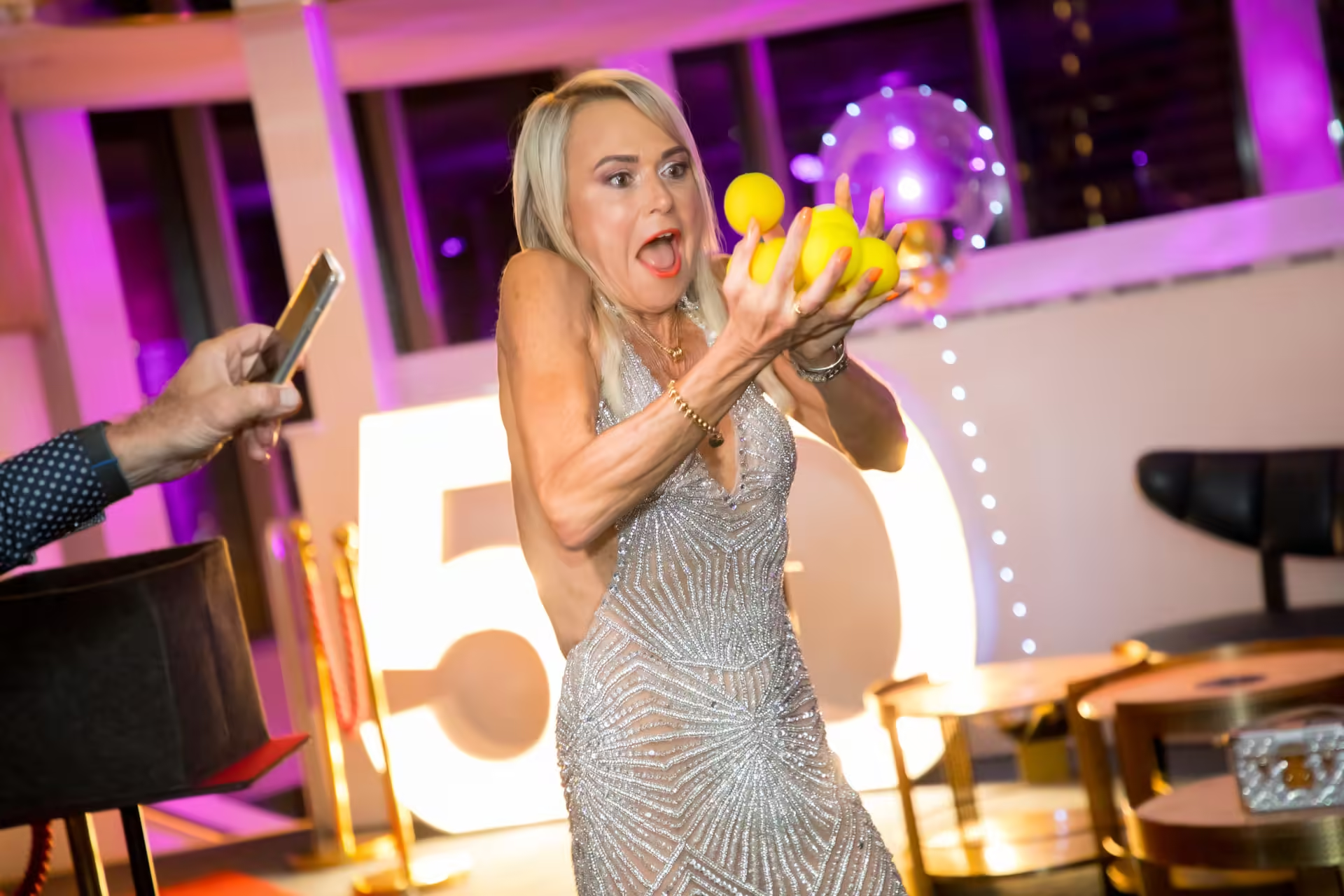
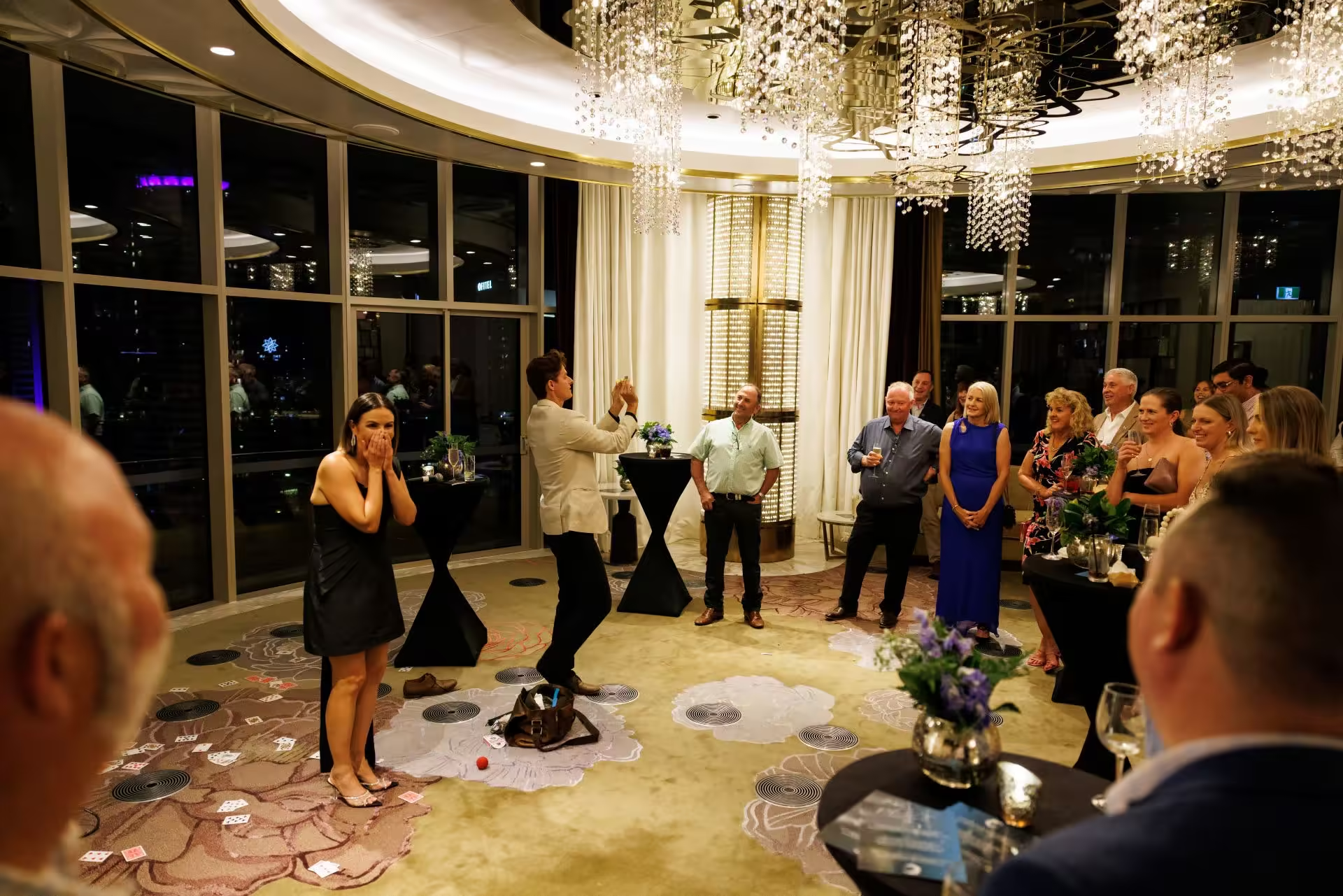
This is the one that specifically solves the problem the others don’t: a room full of people who don’t know each other well, standing around with a drink, before the “real” part of the event starts. Roving magic gives small clusters of guests something to react to and talk about together, without needing anyone to volunteer, dance, or already know each other. It works identically whether it’s a 30-person client dinner or a 300-person conference floor.
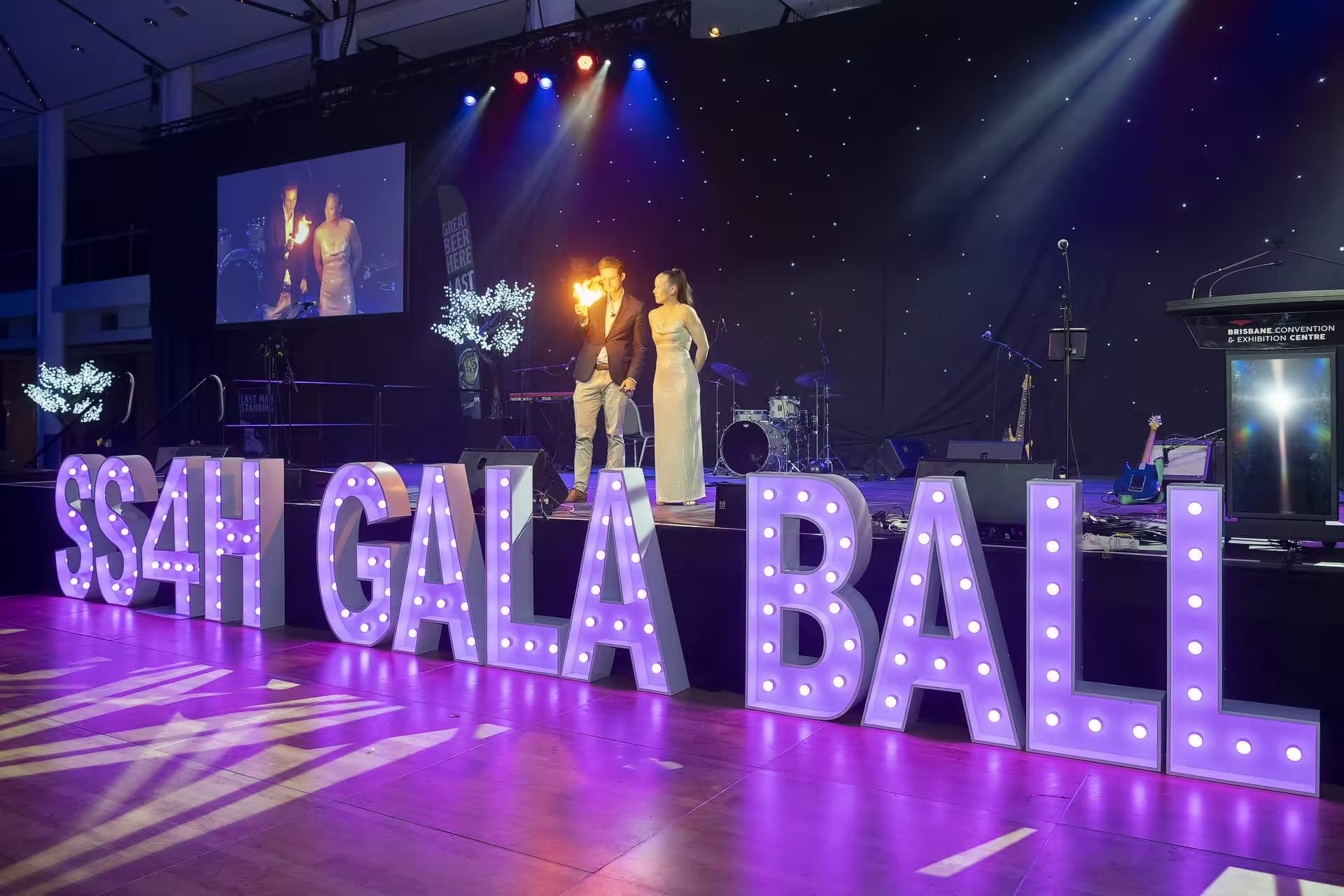
For events with a scheduled entertainment slot rather than a mingling crowd — an awards dinner, a gala, an after-dinner segment — a short stage show does the same job for a seated audience instead. I’ve written more on when each format fits in roving magician vs. stage show.
Matching the format to the actual problem
The mistake most briefs make is picking entertainment based on what’s popular rather than what the event actually needs. A few honest pairings:
- Networking event, standing crowd, no natural focal point → roving magic, not a stage act or a band.
- Awards dinner with a scheduled programme → a short stage feature slotted between courses or before the awards.
- All-staff Christmas or EOFY function → often both — roving during arrivals, a stage moment before the dancefloor opens. I cover this specifically in Christmas party entertainment ideas.
- Trade show or expo booth → close-up magic that stops foot traffic and opens a brand conversation, not general entertainment.
Booking corporate entertainment in Queensland
I perform close-up and stage magic for corporate events across the Gold Coast, Brisbane, Byron Bay and the Sunshine Coast — see the corporate magician page for formats, or get in touch with your event type and guest numbers and I’ll tell you honestly whether magic is the right fit for what you’re planning.
Ready to make your event unforgettable?
Let’s talk about your event.
Check Jason’s AvailabilityBooking Enquiry